6 min read
Perseid Meteor Shower 2026 Dubai: Best Time, Places and Viewing Tips
Watch the Perseid Meteor Shower 2026 Dubai under perfect dark skies with up to 100 meteors per hour. Find the best viewing spots.
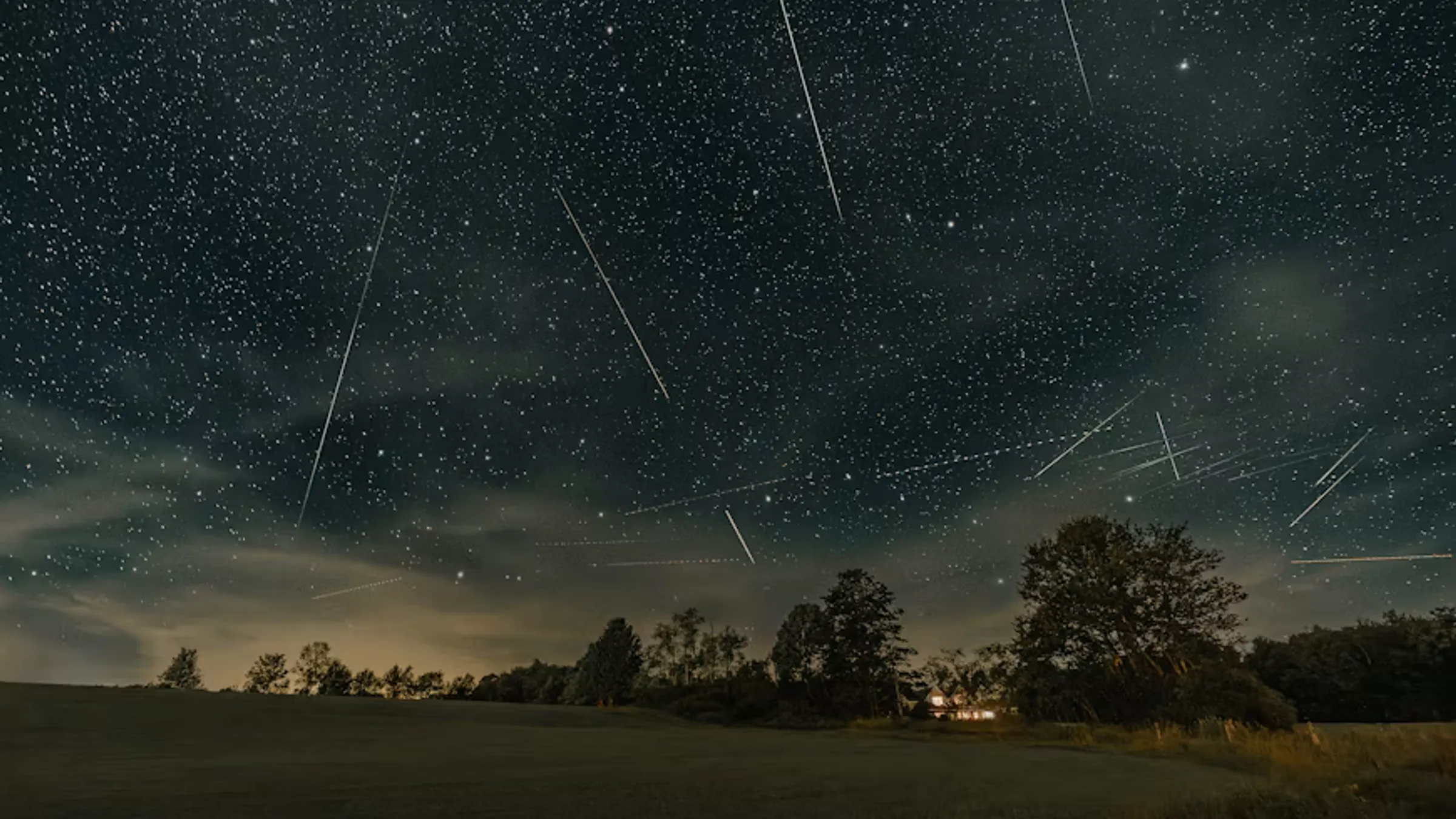
If you've ever wanted to see a sky full of shooting stars, August 2026 is the time to do it.
The Perseid meteor shower, widely regarded as one of the best annual meteor showers in the world, reaches its peak over the nights of August 12 and 13. This year, though, it is going to be even more special than usual because the peak coincides almost perfectly with a new moon, creating some of the darkest skies you'll get all year.
That means brighter meteors, more visible shooting stars and better viewing conditions across Dubai and the UAE.
The best part? You don't need a telescope, binoculars or any special equipment. Simply head somewhere with dark skies, look up and enjoy one of nature's most spectacular free shows.
But this year, there is an extra reason to get excited.
Why the 2026 Perseid Meteor Shower is one of the best in years
Every August, Earth passes through a stream of debris left behind by Comet Swift-Tuttle. As tiny pieces of rock and dust enter our atmosphere at incredible speeds, they burn up, creating the bright streaks of light we call meteors or shooting stars.
In 2026, however, there's another reason astronomers are excited.
The meteor shower reaches its peak on the same day as the new moon. With the moon illuminated by just around 0.1 percent, there will be almost no moonlight washing out the night sky.
In most years, bright moonlight hides many of the fainter meteors.
This year, you'll have a much better chance of seeing both the brightest fireballs and the smaller shooting stars that normally disappear against a brighter sky.
Under ideal dark sky conditions, you could see up to 100 meteors every hour during the peak.
What is the Perseid Meteor Shower?
Despite their name, shooting stars are not actually stars.
They're tiny pieces of debris left behind by Comet Swift Tuttle, one of the largest known objects that regularly passes through Earth's orbit, and every shooting star you see in the Perseids Meteor Shower is part of that trail.
Every year, Earth travels through this trail of dust and rock. As those particles hit our atmosphere at speeds of around 59 kilometres per second, friction causes them to heat up and burn brightly.
The Perseids get their name because they appear to originate from the constellation Perseus.
In reality, the meteors can streak across every part of the sky, so you don't need to stare directly at Perseus to enjoy the display.
NASA regularly describes the Perseids as one of the year's best meteor showers because of their reliability, brightness and frequent fireballs.
When is the best time to watch the Perseids in Dubai?
Although the Perseid meteor shower remains active from late July until the middle of August, the peak arrives overnight between August 12 and August 13.
If you only plan one viewing session, this is the night to choose.
The best viewing window is between 3:00 AM and 6:00 AM.
During these early hours, the constellation Perseus climbs higher into the sky, increasing the number of visible meteors.
You don't need to stay for the entire three hours, but spending at least an hour outside gives you the best chance of catching multiple shooting stars.
Where to watch the Perseid Meteor Shower in Dubai and the UAE
Where you watch can make a huge difference.
Dubai's city lights reduce the number of meteors you'll be able to see, especially the fainter ones. Driving away from the city significantly improves your experience.
Al Awir Desert
For a dark sky spot that doesn't require a long drive, Al Awir Desert is one of the most accessible options from Dubai.
It's around 45 minutes from the city centre and gives you wide open views with very little artificial light.
Make sure you bring everything you need with you, as there are no facilities once you arrive.
Hatta
For a longer trip, Hatta offers some of the darkest skies in the UAE.
About two hours from Dubai in the Hajar Mountains, its higher elevation and low light pollution make it one of the country's best stargazing locations.
Many people choose to camp overnight or book a nearby stay such as JA Hatta Fort Hotel, turning the meteor shower into a full weekend escape.
Watching from Dubai
You can still catch the Perseids from Dubai itself if you can't leave the city.
Choose the darkest spot you can find, well away from streetlights and brightly lit buildings. Rooftops, parks and open areas facing the desert usually give you better visibility than Downtown Dubai or Marina.
You won't see as many meteors as you would in the desert, but the brighter fireballs should still be visible.
What you need to bring
Meteor showers don't require expensive equipment, but bringing a few essentials makes the experience much more comfortable.
- Drinking water
- A blanket, camping chair or picnic mat
- Light clothing with an extra layer for the cooler early morning hours
- Snacks if you're planning to stay for several hours
- A fully charged phone for navigation
- A torch with a red light if possible, as it helps preserve your night vision
One thing you shouldn't bring is a telescope.
Meteor showers are best viewed with your naked eyes because meteors can appear anywhere across the sky. Binoculars and telescopes actually reduce your field of view and make them much harder to spot.
How to get the best view of the Perseid Meteor Shower
A little preparation can make a big difference.
Once you reach your viewing spot, give your eyes around 20 to 30 minutes to adjust to the darkness. Avoid checking your phone during this time because even a quick glance at a bright screen can reduce your night vision.
Instead of focusing on one point in the sky, relax and look across a wide area. Although the meteors appear to radiate from the constellation Perseus, they can streak across almost any part of the sky.
The most comfortable way to watch is by lying on a blanket or reclining in a camping chair. Looking straight up for an extended period is much easier than constantly craning your neck.
Patience is also important. Meteor activity naturally rises and falls, so there may be several minutes without seeing anything before multiple meteors appear in quick succession.
Why the Perseids are famous for Fireballs
The Perseids are known for more than just their high meteor count.
They're also one of the best meteor showers for spotting fireballs. These are exceptionally bright meteors that leave longer glowing trails and sometimes appear to explode into brilliant flashes as they pass through Earth's atmosphere.
Because the 2026 peak coincides with a virtually moonless sky, your chances of spotting these brighter fireballs are much higher than in many previous years.
If you're lucky, you may even see a meteor leave behind a glowing trail that remains visible for several seconds after it disappears.
Join a guided Meteor Shower Event
If you'd rather not find a viewing location yourself, keep an eye on the Dubai Astronomy Group.
The organisation regularly hosts guided stargazing sessions for major astronomical events, including the Perseids. These events are usually held at darker locations outside the city and include expert commentary on the night sky, constellations and the science behind the meteor shower.
It's worth checking the Dubai Astronomy Group website and social media channels closer to August to see whether a 2026 Perseid viewing event has been announced.
Quick details
Peak nights: August 12 to 13, 2026
Best viewing time: 3:00 AM to 6:00 AM
Expected peak activity: Up to 100 meteors per hour
Best viewing conditions: New moon with around 0.1 percent illumination
Equipment needed: None. Your eyes are all you need
Best locations: Hatta, Al Awir Desert or any dark area away from city lights
Cost: Completely free
Whether you drive out to Hatta, head into the Al Awir Desert or simply find the darkest spot you can around Dubai, it's well worth setting an early alarm for the morning of August 13.
Some of the year's most spectacular sights won't happen on the ground. They'll be happening right above you.